reCAPTCHA v2 vs v3: What You Need to Know for Automation
Managing parameters such as the reCAPTCHA data-s value correctly is often the difference between a successful solve and a failed one. CapSkip produces the right values so submission succeeds on the first try.
Sidestepping the usual mistakes - fetching tokens ahead of time, skipping proxies, or over-requesting - helps keep solve rates high. CapSkip handles the solving reliably; good hygiene is sensible practice.
The GeeTest slider puzzles can be famously tricky for automation, which is why having a solver that supports them helps a lot. CapSkip solves GeeTest locally, so scripts that depend on those targets keep running whenever the challenge shows up.
Turnstile is now a common gatekeeper on sites that aim to block bots without traditional image puzzles. CapSkip solves Turnstile locally within seconds, covering the challenge and managed variants. If you run automation that keep hitting Turnstile, that removes a major obstacle.
Privacy is a real concern when each challenge is sent to a remote service. Because CapSkip runs locally, no challenge data departs your hardware, so private workflows remain contained. For regulated work, that is often the deciding factor.
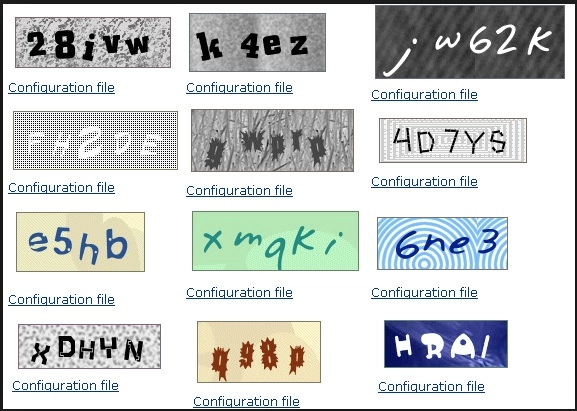
Image CAPTCHAs are still everywhere, on sign-up pages to checkout screens. CapSkip recognizes thousands of image CAPTCHA variants locally, typically almost instantly. This throughput adds up when you handle high numbers of challenges.
Under the hood, reCAPTCHA v3 assigns a score based on watched signals instead of a single checkbox. Producing a usable score takes a solver designed for that approach, which is exactly what CapSkip is built for.
One frequent mistake is simply picking every solver as interchangeable. Line up the solver to the CAPTCHA mix, the volume, and the budget - CapSkip covers the common types at one price, which fits the majority of real workloads.
A short migration checklist keeps the move smooth: repoint the endpoint at CapSkip, confirm some live solves, then flip production. Because the API mirrors popular services, the bulk of the work is essentially done.
Fundamentally, a CAPTCHA solver interprets a challenge and produces the solution a site is looking for, so an hands-off tool can keep going. What sets CapSkip apart is the work stays locally - no challenge data leaves your hardware, and there are no per-CAPTCHA fees. This mix of privacy and predictable cost turns out to be hard to beat for serious automation.
reCAPTCHA v2 remains one of the most common challenges on the web, covering the classic checkbox to invisible and callback versions. CapSkip handles all of these locally in seconds, which means your scraper does not stall every time one appears. Since it emulates popular solver APIs, wiring it in tends to be straightforward.
A Python codebase developers get a simple path with CapSkip, since it emulates the API of major solving services. In practice, this means pointing existing code at CapSkip takes minimal changes - no rewrite.
Within reason, CAPTCHA solving supports legitimate use cases like testing, accessibility, and authorized scraping. It is wise respecting each target's terms and relevant law; used that way, a good solver is another automation helper.
A frequent misstep is picking every solver as if interchangeable. Line up the solver to your CAPTCHA types, the volume, and your budget - CapSkip covers image CAPTCHAs, reCAPTCHA and Turnstile at a flat rate, which fits the majority of everyday workloads.
Teams migrating from 2Captcha usually brace for a painful migration. In practice, since CapSkip emulates the same API, the move is largely a matter of the endpoint and keeping everything else as it was.
A major advantages of processing locally is price. Most services bill per solve, so your bill climb as throughput grows. CapSkip goes with fixed pricing and unlimited solves, so scaling does not mean worrying about the meter.
One of the biggest benefits of processing on your own hardware comes down to price. Traditional services charge for each solve, so your bill climb the moment throughput increases. CapSkip goes with flat-rate pricing and unlimited solves, so you can scale without worrying about the meter.
The GeeTest slider puzzles are famously tricky for bots, so running a solver that covers them helps a lot.
CapSkip handles GeeTest locally, so scripts that rely on these targets keep running when the puzzle shows up.
Classic image and text CAPTCHAs are still extremely common, on sign-up pages to checkout flows. CapSkip solves thousands of image CAPTCHA variants locally, typically in about a tenth of a second. This throughput matters when you handle high volumes.
At its core, a CAPTCHA solver reads a challenge and returns the solution a site is looking for, so an hands-off tool can keep going. What sets CapSkip apart is the work stays on your own Windows machine - no challenge data leaves your hardware, and you avoid per-solve charges. That combination of control and predictable cost turns out to be hard to beat for steady automation.