The History of Las Vegas Casinos
When you think of casinos, the immediate image that comes to mind is the neon-soaked skyline of Las Vegas.
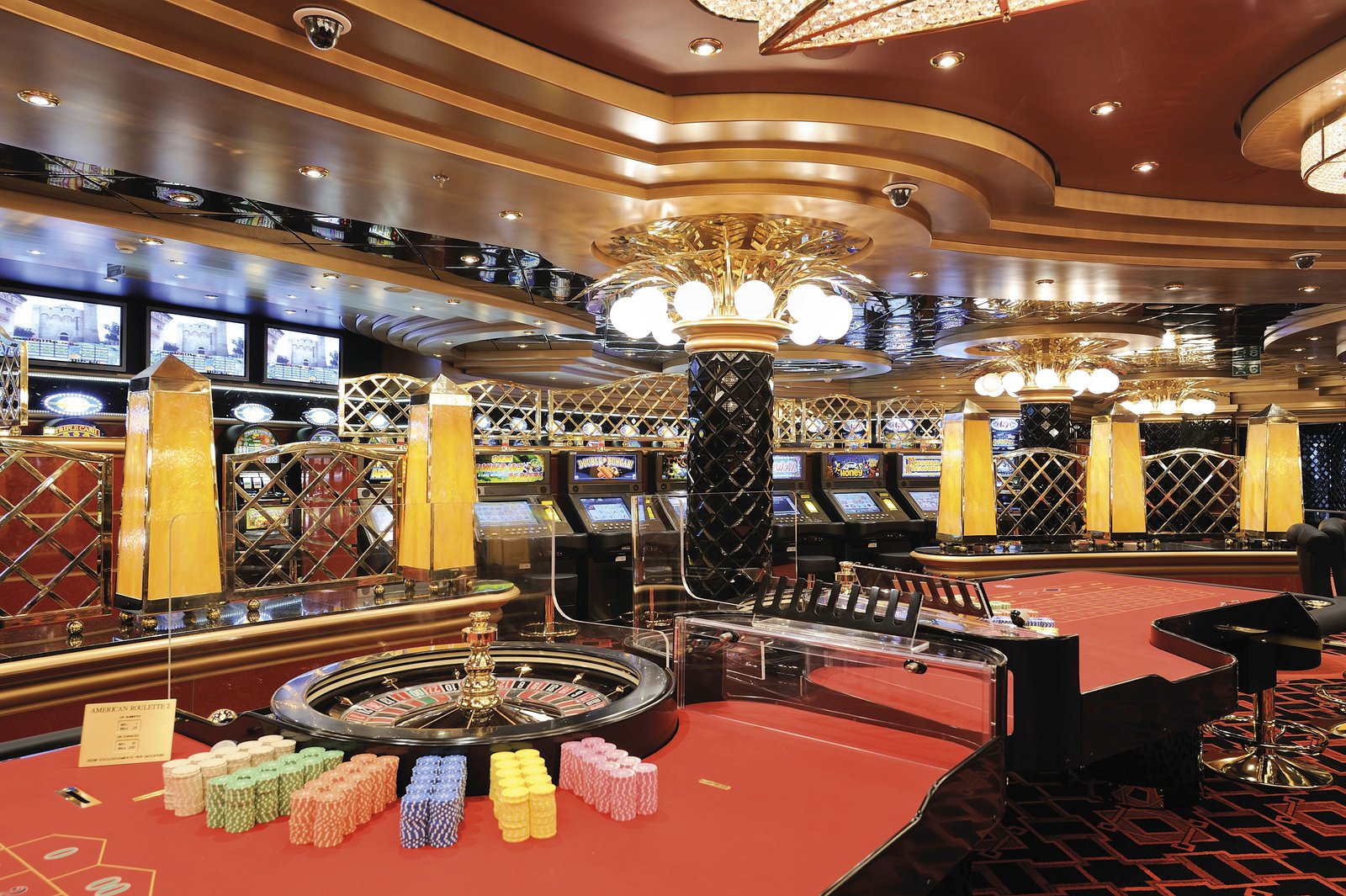
The transformation from an isolated desert outpost into the undisputed entertainment capital of the world is truly remarkable.
Understanding how the city grew provides incredible context for the modern casino resorts we see today.
The history of the Strip is a continuous cycle of building bigger, brighter, and more extravagant monuments to excess.
Let's explore the eras, the iconic casinos, and the legendary figures that built the modern gambling industry.
The Birth of the Strip: Mobsters and Visionaries
The true birth of modern Las Vegas occurred in 1931 when the state of Nevada officially legalized casino gambling.
The original scene was far from glamorous, focusing heavily on basic card tables and early mechanical slots.
However, the trajectory changed forever after World War II when organized crime figures realized the city's massive potential.
Siegel's vision was to bring Hollywood elegance to the desert, creating an oasis for the wealthy elite.
This era was defined by the Rat Pack performing in legendary showrooms, while the mafia skimmed millions from the counting rooms.
Howard Hughes and the Era of Corporate Gaming
His massive investments signaled the transition from mafia-run joints to legitimate, corporate-owned businesses.
By the 1980s, Wall Street had replaced the mafia, fundamentally altering how casinos were financed and operated.
In 1989, Steve Wynn opened The Mirage, an incredibly expensive, massive property that changed the city forever.
The success of The Mirage triggered a massive building boom throughout the 1990s, defining the modern skyline.
These mega-resorts featured massive shopping malls, roller coasters, and arena-sized showrooms alongside the casino floors.
The Modern Era: Luxury, Nightclubs, and Sports
As the new millennium dawned, the tacky, family-friendly themes of the 90s were slowly replaced by sleek, ultra-luxury modernism.
Nightlife became a primary draw for younger demographics, transforming the city into the global capital of electronic dance music.
The addition of massive, state-of-the-art stadiums has brought an entirely new demographic of tourists to the Strip.
The modern casino corporation relies just as much on hospitality and entertainment as it does on slot machine revenue.
It remains the undisputed mecca of entertainment, constantly reinventing itself to suit the desires of the next generation.
Key Periods in Vegas Development
- The 1930s: The birth of the legal industry in Downtown Las Vegas.
- 1940s-1960s: The Mob Era. Figures like Bugsy Siegel build the original Strip resorts.
- 1970s-1980s: Corporate Transition. Howard Hughes and Wall Street legitimize the industry.
- The Theme Park Era: Huge properties like Luxor and Excalibur focus on family entertainment.
- The Sports Era: The Raiders and Golden Knights transform Vegas into a sports capital.
The Evolution of the Properties
| Famous Resort | Opening Era | Cultural Importance |
|---|
| The Stardust | 1950s (Golden Age) | Famous for its massive neon sign and mob connections (featured in the movie 'Casino'). |
| Luxor | 1990s (Theme Era) | The iconic pyramid, representing the peak of the family-friendly theme era. |
| Aria | 2010s (Modern Era) | A massive, technologically advanced centerpiece of the CityCenter complex. |
It is a city built on risk, reflecting the very nature of the games played inside its massive halls.
Every imploded casino and newly built mega-resort tells a story of a city that refuses to stop evolving.
Long live Las Vegas, the undisputed, ever-changing entertainment capital of the world.